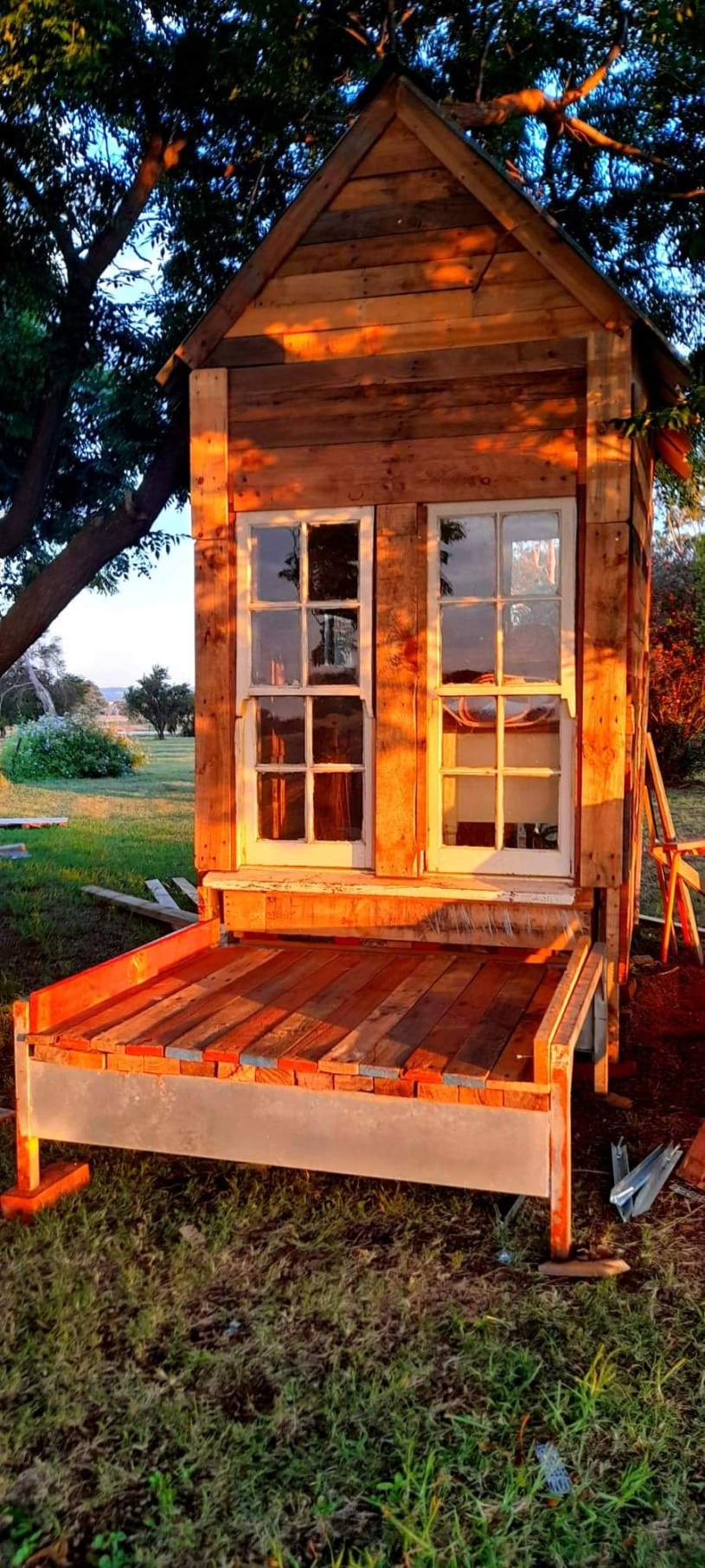
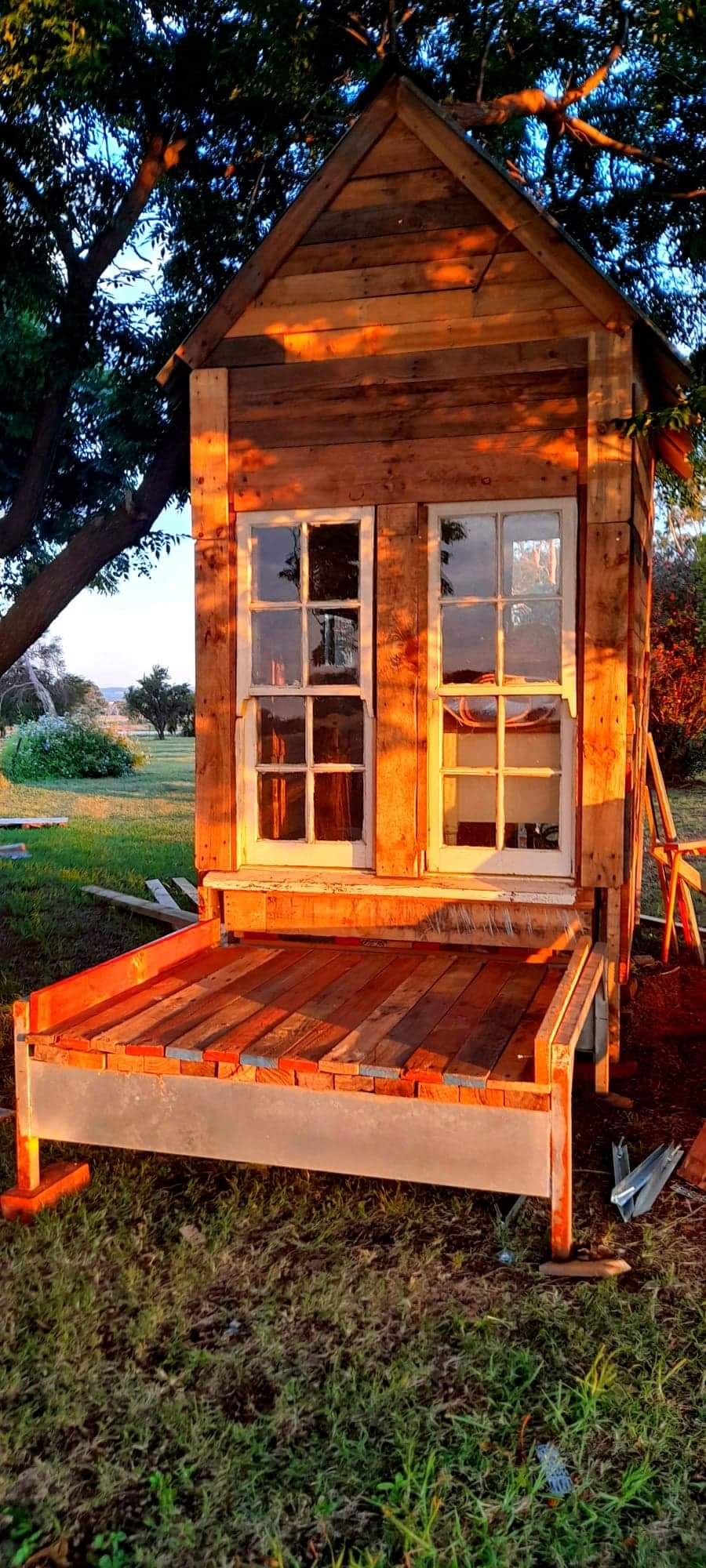
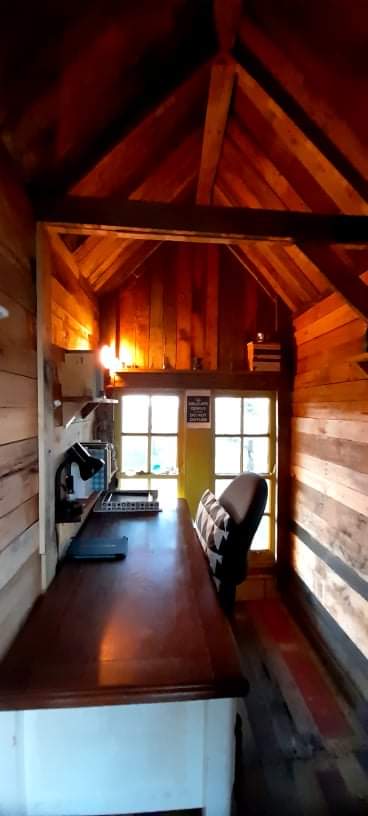
At last, a place to call home for all my research documents and papers and scribbles and drafts, in researching ‘the book’. My little house is a Covid lockdown souvenir after my industrious husband encouraged me to join his building project – while many, many others were baking sourdough. We used only palet wood and an arm-achingly huge quantity of screws.
It was his gift to me.
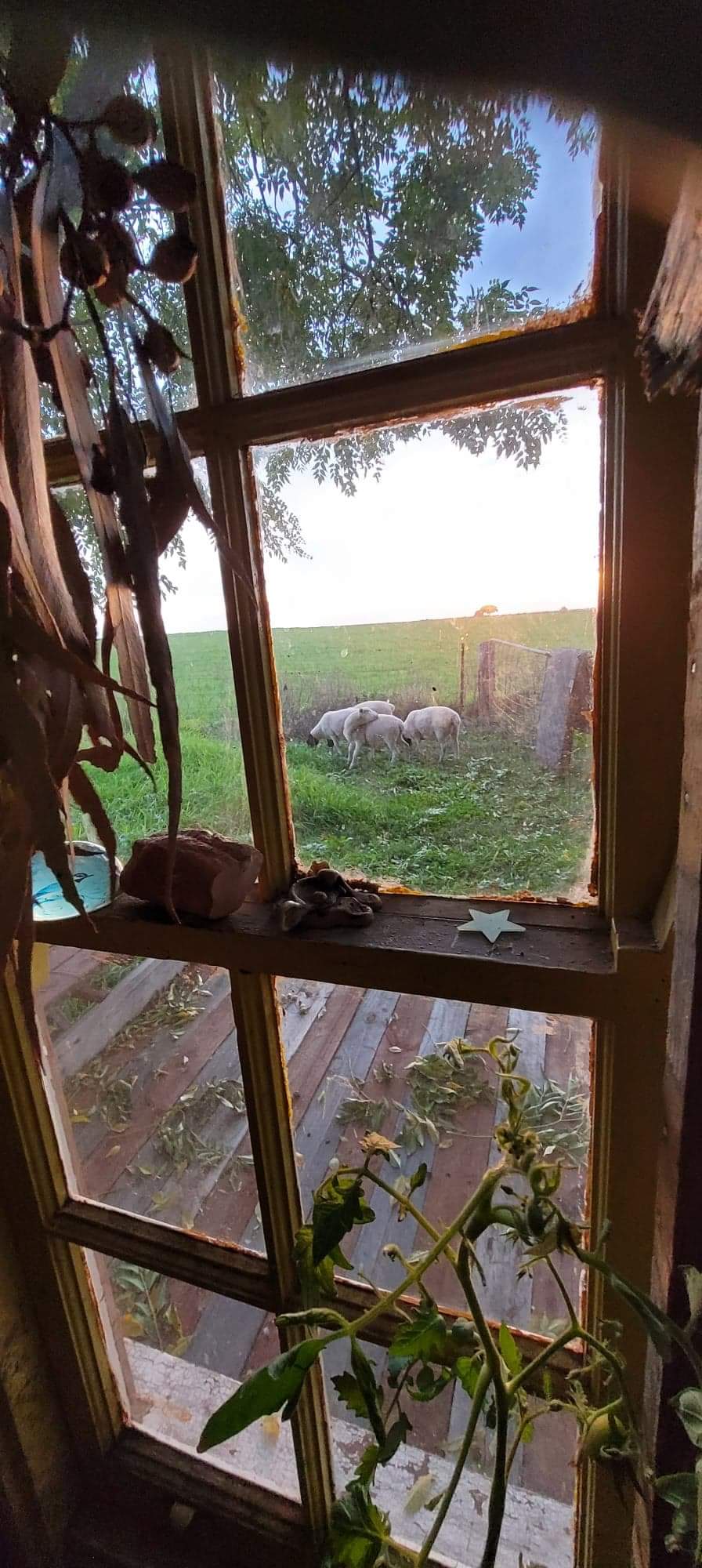
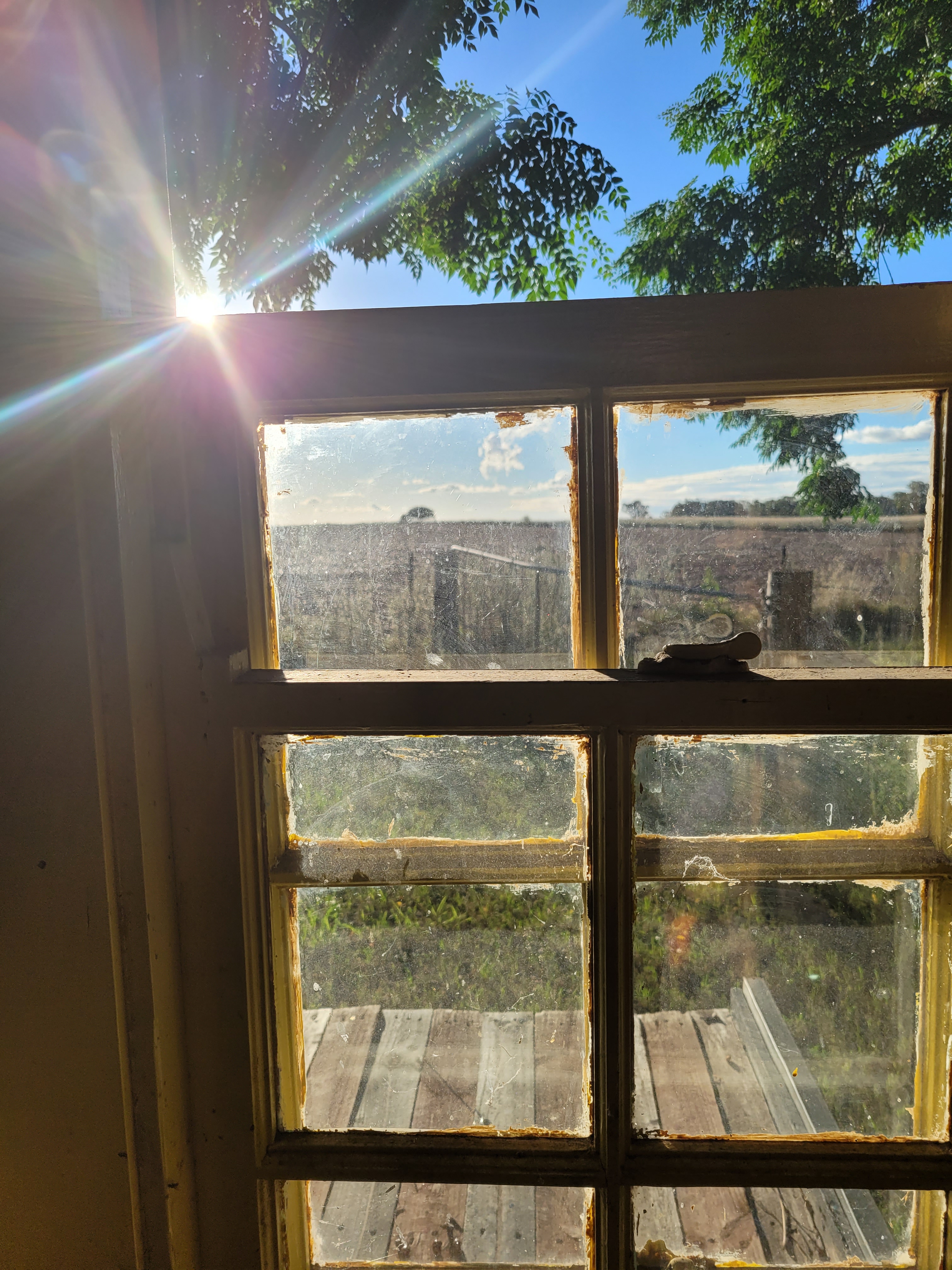
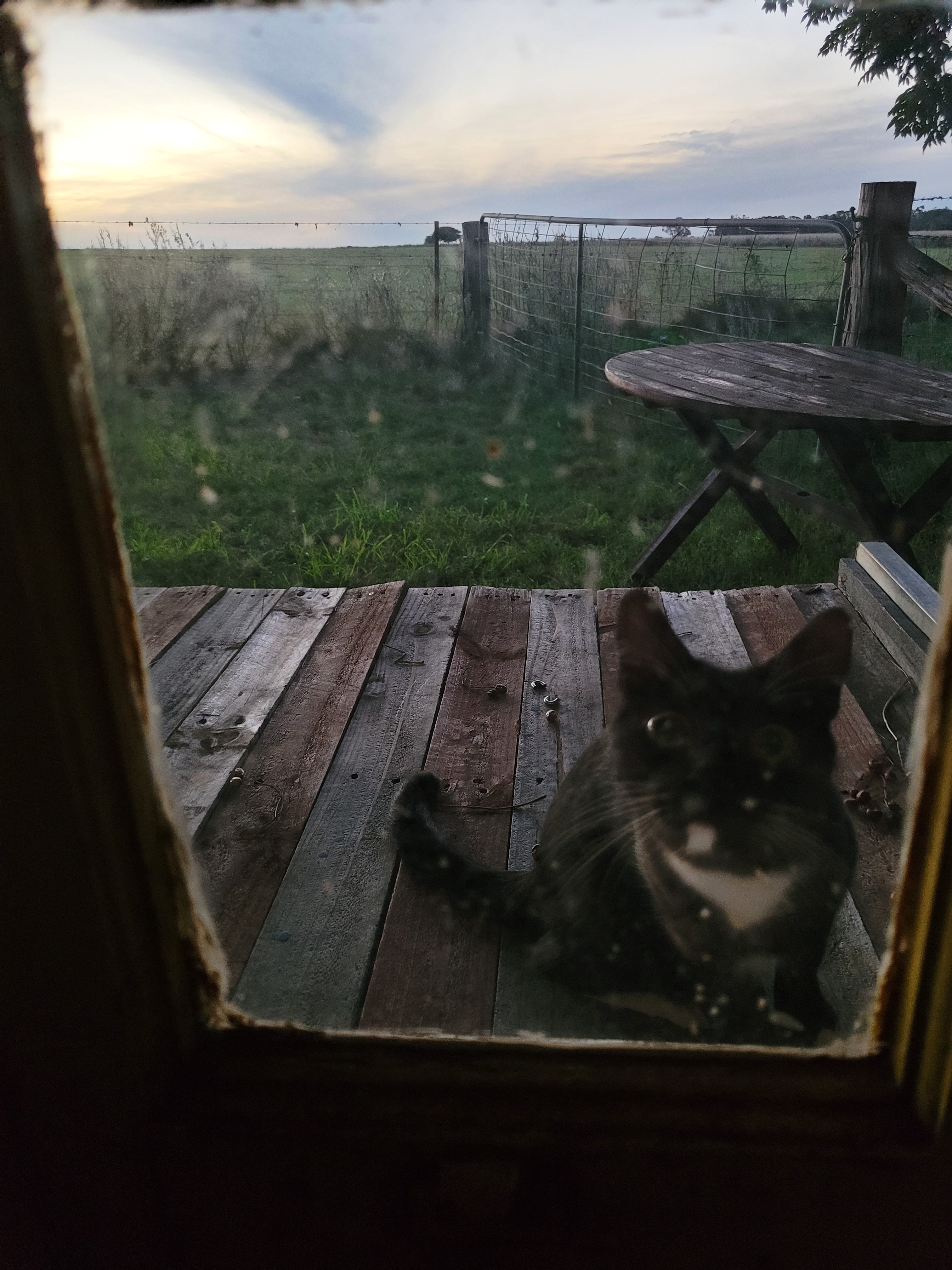
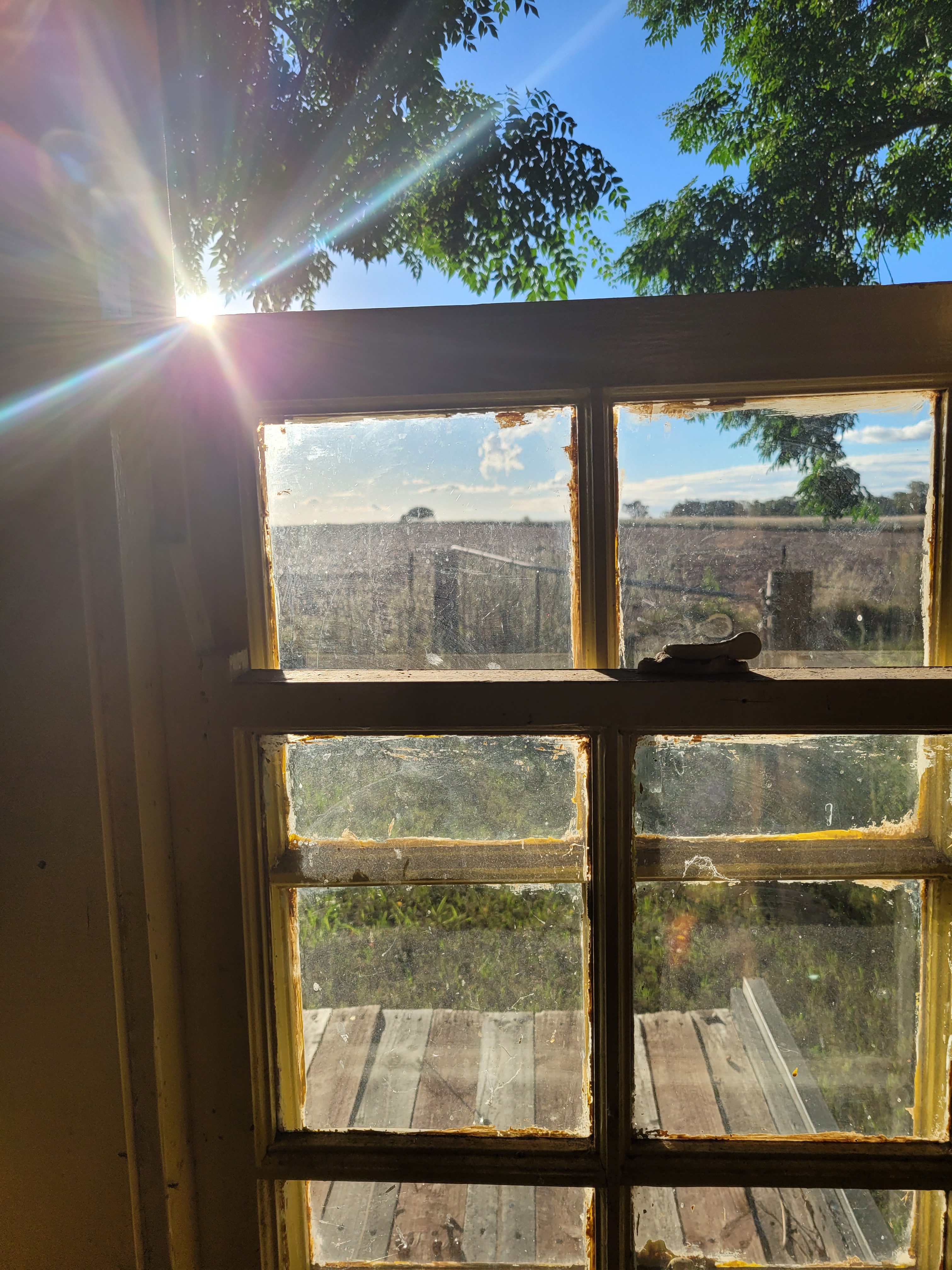
It’s called ‘Littlewood’ and sits in between two white cedar trees, overlooking a paddock to the west in its various state of freshly ploughed soil, green with oak stalks, home to gentle kangaroos or great flocks of cockatoos, and for a short time each year, black Angus cows.
It offers a clear view of the sky in all its moods, which will be a character in the book. In Jean Emile Serisiers’ time, light pollution at Dubbo village would have largely been non-existent and the stars twinkling over the western plains would have been gob-smackingly-gorgeous.
In the year of his first child, Ernest Clarke’s birth – 1859 – a massive coronal ejection from the sun hit Earth, larger than the one in May 2024, which knocked out the telegraph, and was so large its southern aurora hung in the sky for days, visible as far north as Sydney (where Ernest was born), and reported in Dubbo too.
Fortunately, at that time, science was advancing in leaps and bounds, and explanations of the southern lights were accurate – but possibly not in the mind of a very young woman about to give birth to her first child – three weeks after the ‘Greatest Sun Storm Known to Man” and at a time when childbirth was a common life-threatening risk.
Tragically, Ernest did die after his first birthday.
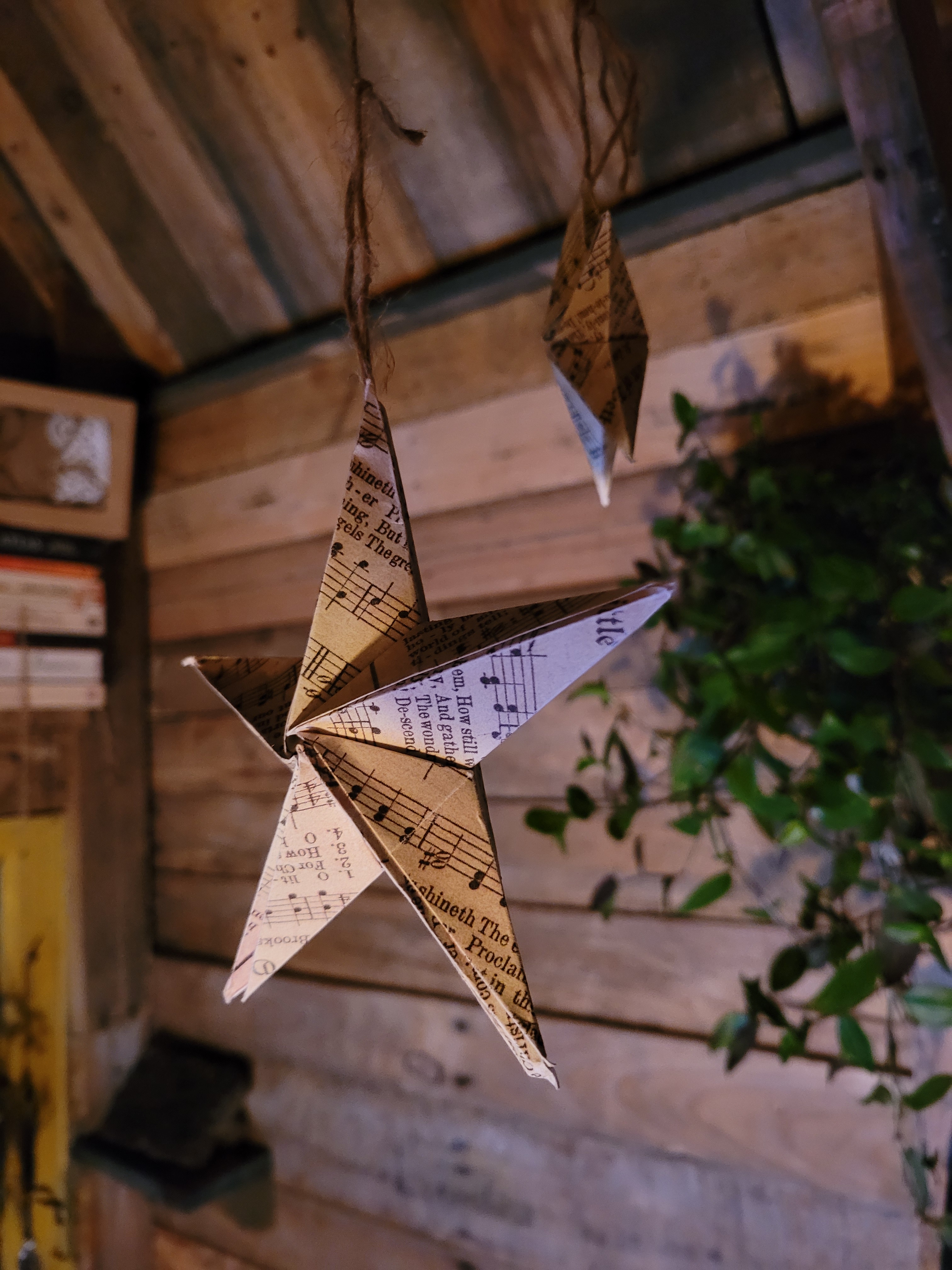
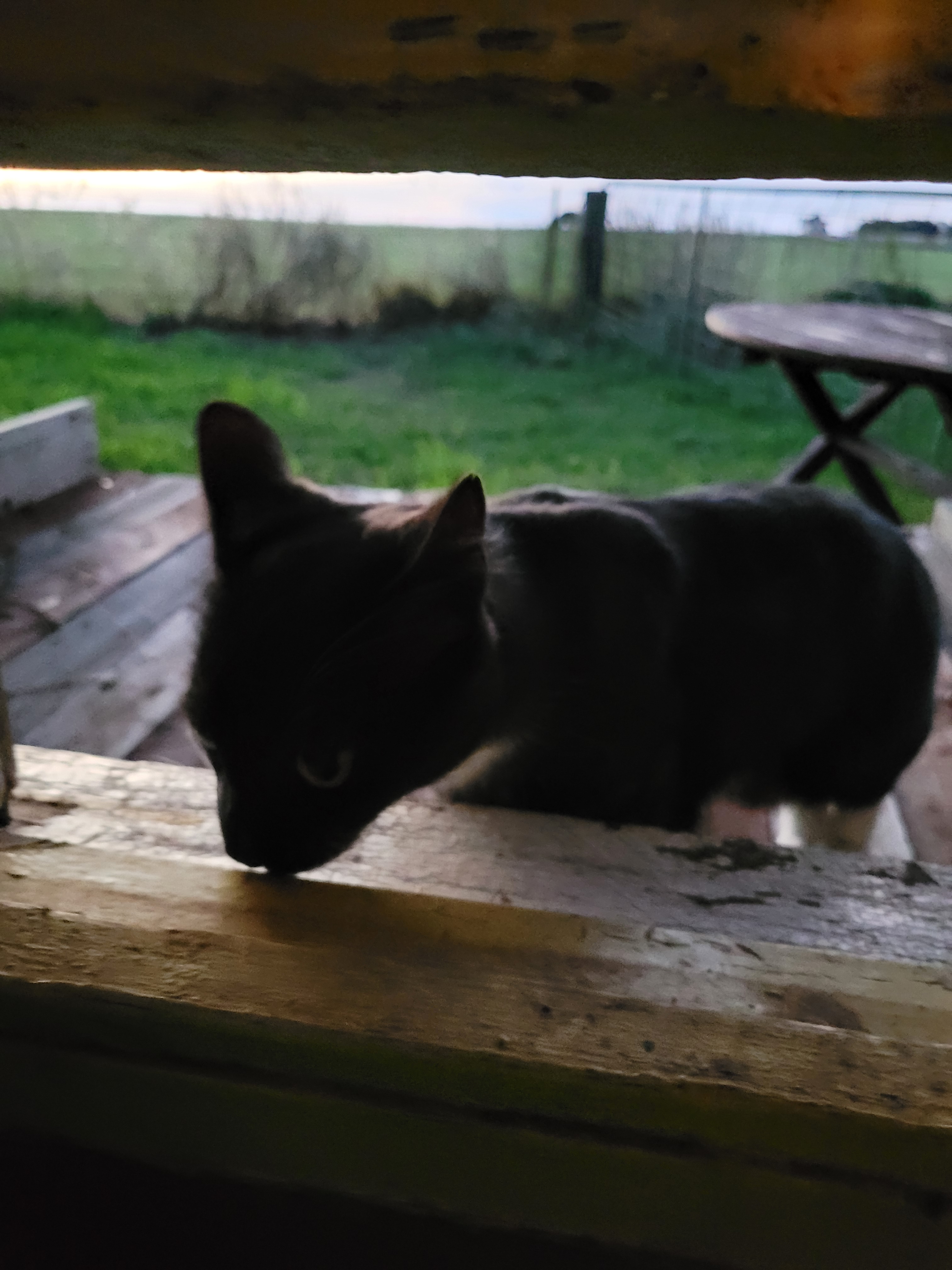
On a much lighter note, enjoy the photos of ‘Littlewood’.
 King of Dubbo