
I’m always on the lookout for inspiration to write the Jean Serisier story and last week I was surprised by how much a visit to a seemingly unrelated place like New Orleans in the USA could be such a spark to the imagination.
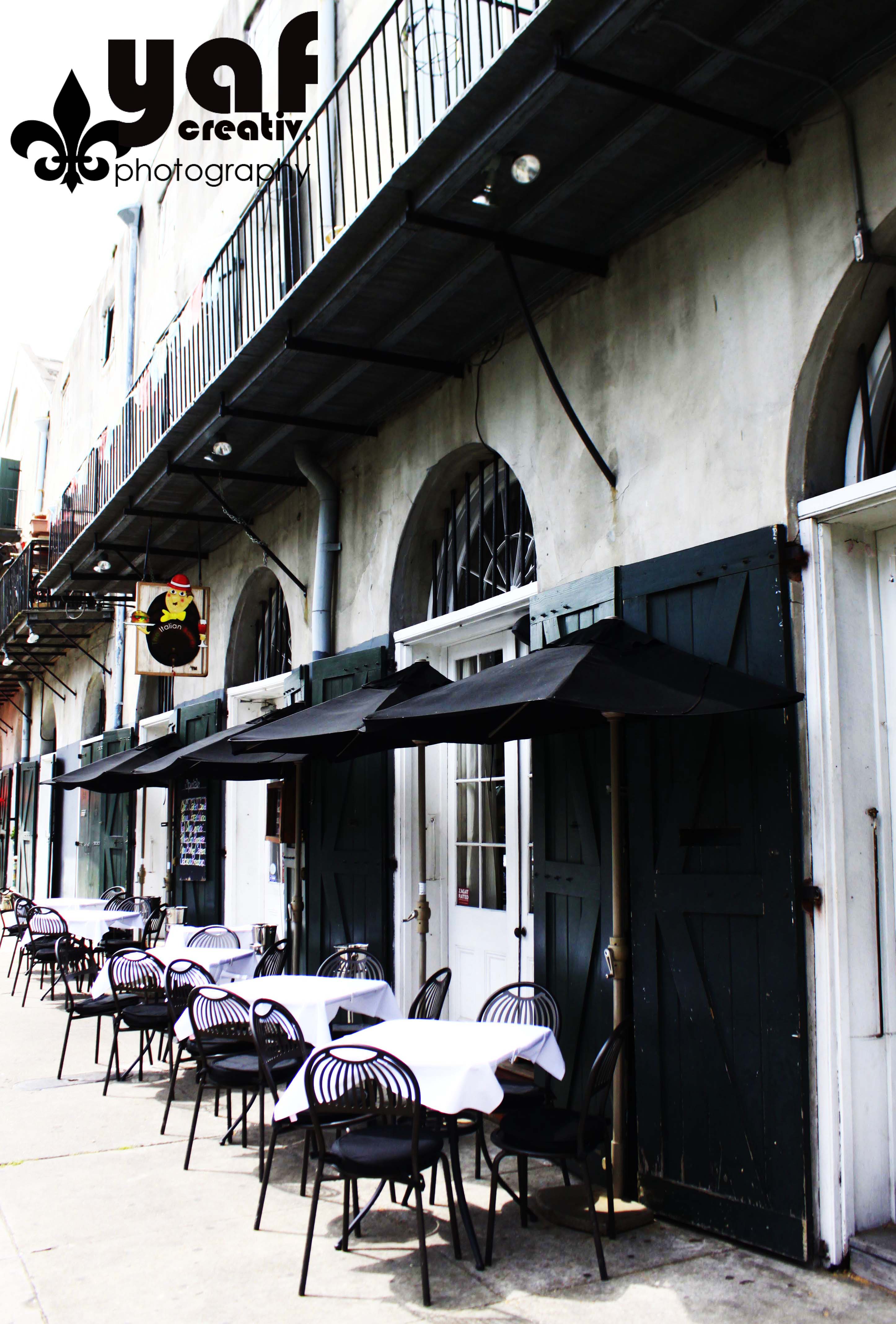
I had the absolute pleasure of visiting the French Quarter or Vieux Carre in New Orleans, Louisana where I could walk not only famous places like Bourbon street but through a place thriving on it’s history and much of it, as you’d suppose, entrenched in French colonialism.
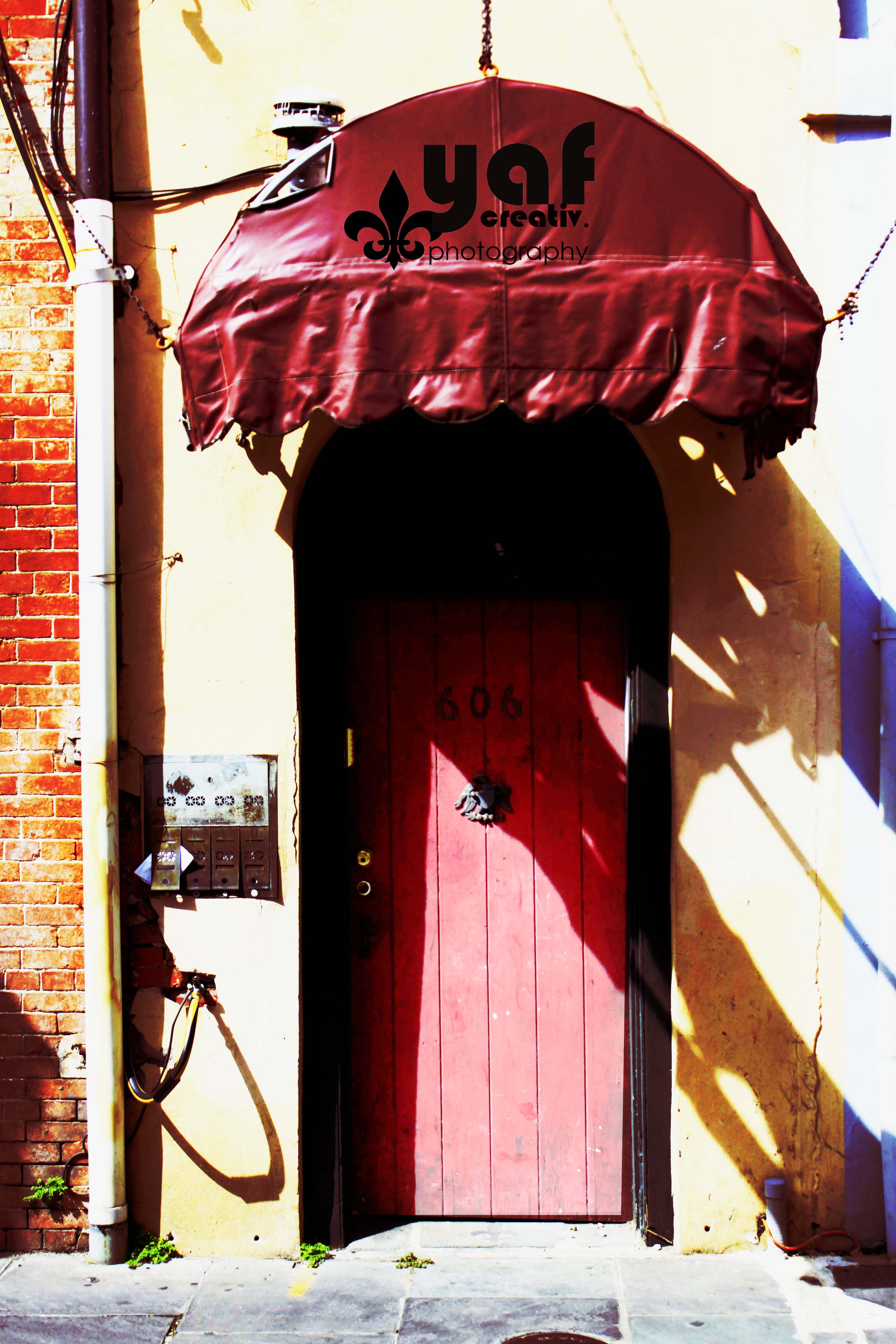
And there’s the connection. The age, the people, culture, traditions, customs, mores and legends, were all to be savoured. Not because Jean ever lived here but French colonial history is Jean’s history and imagining who he was as a man means understanding his personal and cultural history.
There are clues his family was involved in the Triangle Trade, the three way stream of exchange that began in the 1500s of trading wine for slaves in Africa; slaves for sugar, tobacco, and other produce in the colonies; produce for wine and similar luxury goods in Europe.
And so it went round and round. Bordeaux’s wealth certainly grew from the trading of slaves and it’s only recently that France is even acknowledging it’s place in what today is an abhorrent concept, but four and five hundred years ago, was perfectly acceptable.
You can read an article now some years old about the changing of perceptions on this issue, in France by clicking here http://goo.gl/pbs. There is in an attempt to recognise victims, but in doing so erasing markers of the slave trade is to rewrite history too, which is a shame. What happened, happened.
Anyway, the New Orleans connection? Slave trade central. Walking about New Orleans imagining the place teaming with wealthy Europeans (Creole, the original meaning); traders, indians, and of course slaves a plenty.
I took a ghost tour at night which revealed some harrowing stories about the treatment of slaves, said to still haunt many buildings.
Knowing New Orleans’s role in the trade and place in the history of French colonialism tells me a lot about the France that was, before Jean was born but would have shaped the views of his forefathers, who, though apparently decimated by the French Revolutions Grande Terroir, would have had opinions about slaves, trading with America, and possibly gained personal wealth themselves from the Triangle Trade.
It was an important experience for me to understand Jean’s heritage in order to understand where he came from and how it may have influenced what he did in his adult life, including establishing the city of Dubbo in New South Wales, Australia.
 King of Dubbo